Designing Nature’s Half
Advancing climate adaptation & biodiversity conservation
Turning the 50×50 vision into landscape-scale reality.
The Triple Planetary Crisis
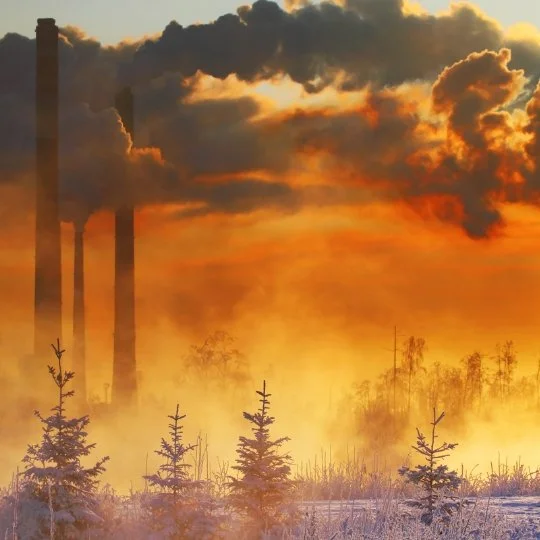
Pollution

Climate Change
Biodiversity Loss

Why Large-Scale Conservation Requires Design
Giving half of the Earth back to nature is not a new idea. Its scientific roots stretch back more than four decades, to the emergence of conservation biology and landscape ecology in the late 20th century—fields that challenged fragmented, site-by-site conservation and began articulating a more systemic approach. A decade later, the first call for conserving and restoring “preferably at least half – of [the] continent as true Wilderness, with its full complement of native species and ecological processes” was published in a non-profit periodical promoting the tenets of conservation biology: Wild Earth.
Today, that unfinished vision collides with a stark reality. The world faces a triple planetary crisis—pollution, climate change, and biodiversity loss—an interconnected, wicked problem that cannot be solved through isolated actions or single-sector solutions. Addressing it requires collaboration across boundaries, scales, and disciplines.
Landscape conservation design (LCD) provides a framework for doing exactly that. LCD is a stakeholder-driven, participatory process that applies interdisciplinary science to inform decisions about land use, conservation priorities, and adaptation strategies. By integrating ecological knowledge with social, cultural, and governance realities, LCD supports landscape-scale conservation efforts that are both scientifically credible and socially durable. In practice, it helps diverse actors work toward shared outcomes—building the conditions for collective impact and long-term sustainability. Essays and analyses about LCD can be found on our blog and podcast.
Our Strategy: Design Nature’s Half
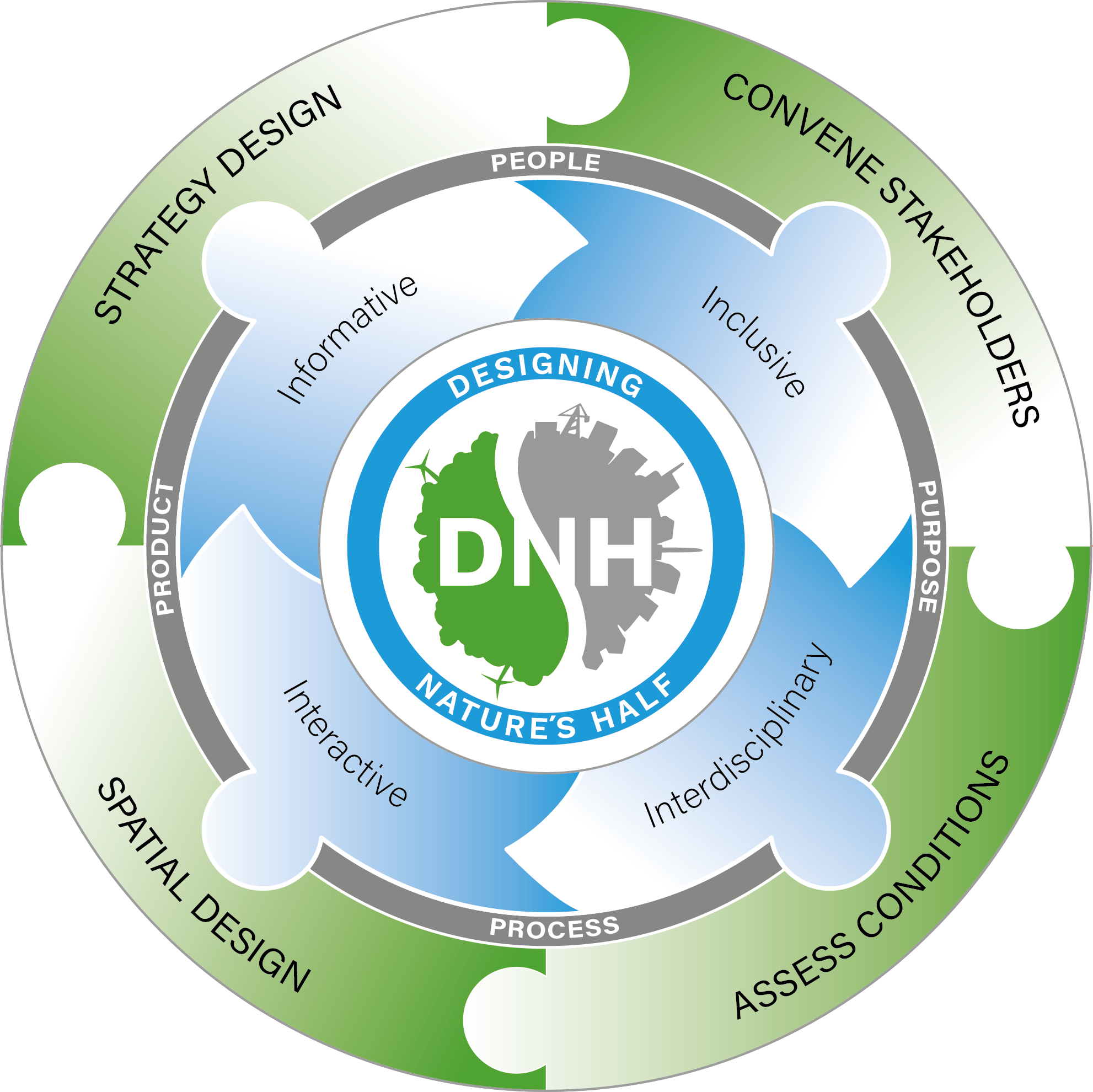
Design sustainable landscapes
Conserve 50% by 2050
Protect 1 million species
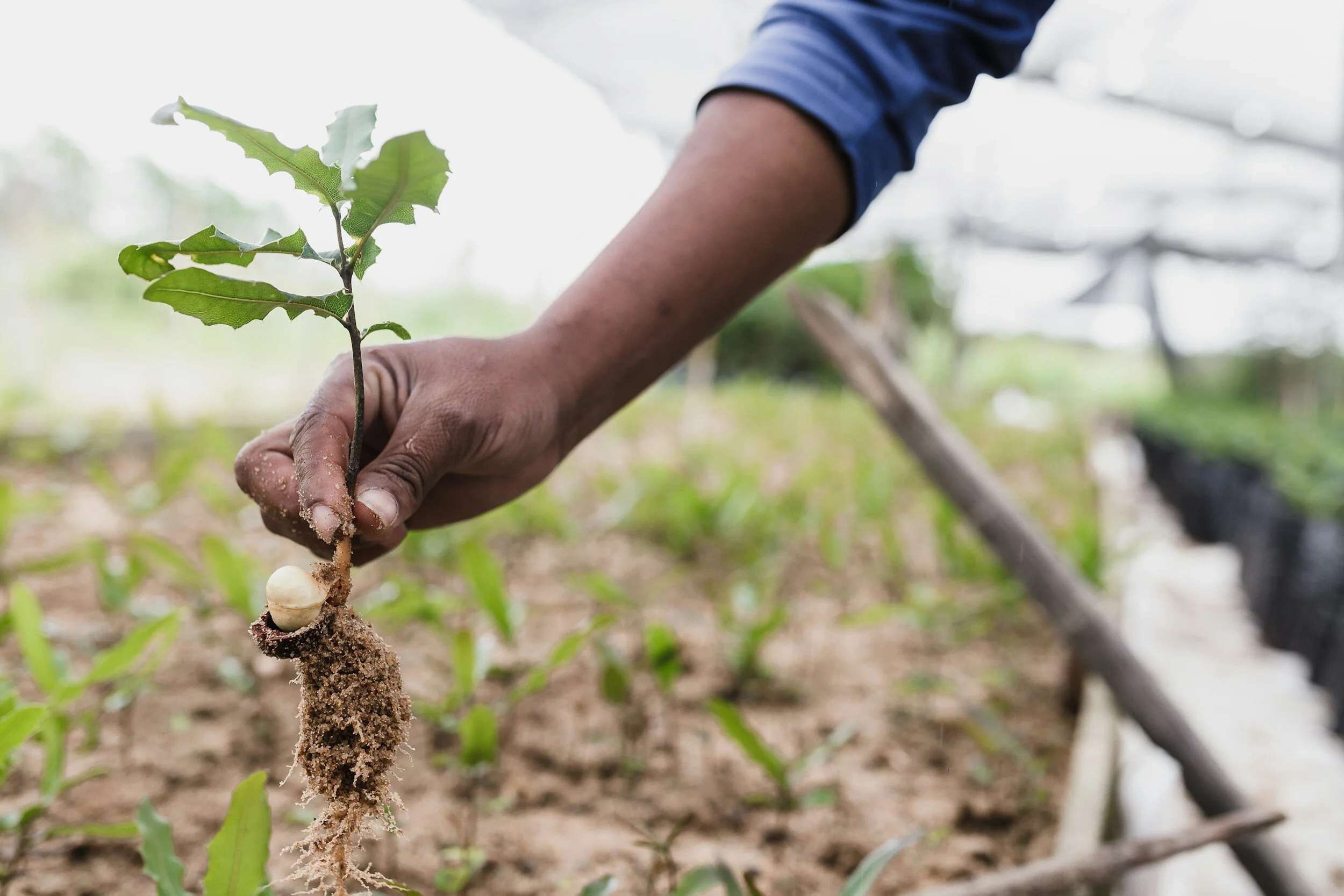
Restore terrestrial habitats
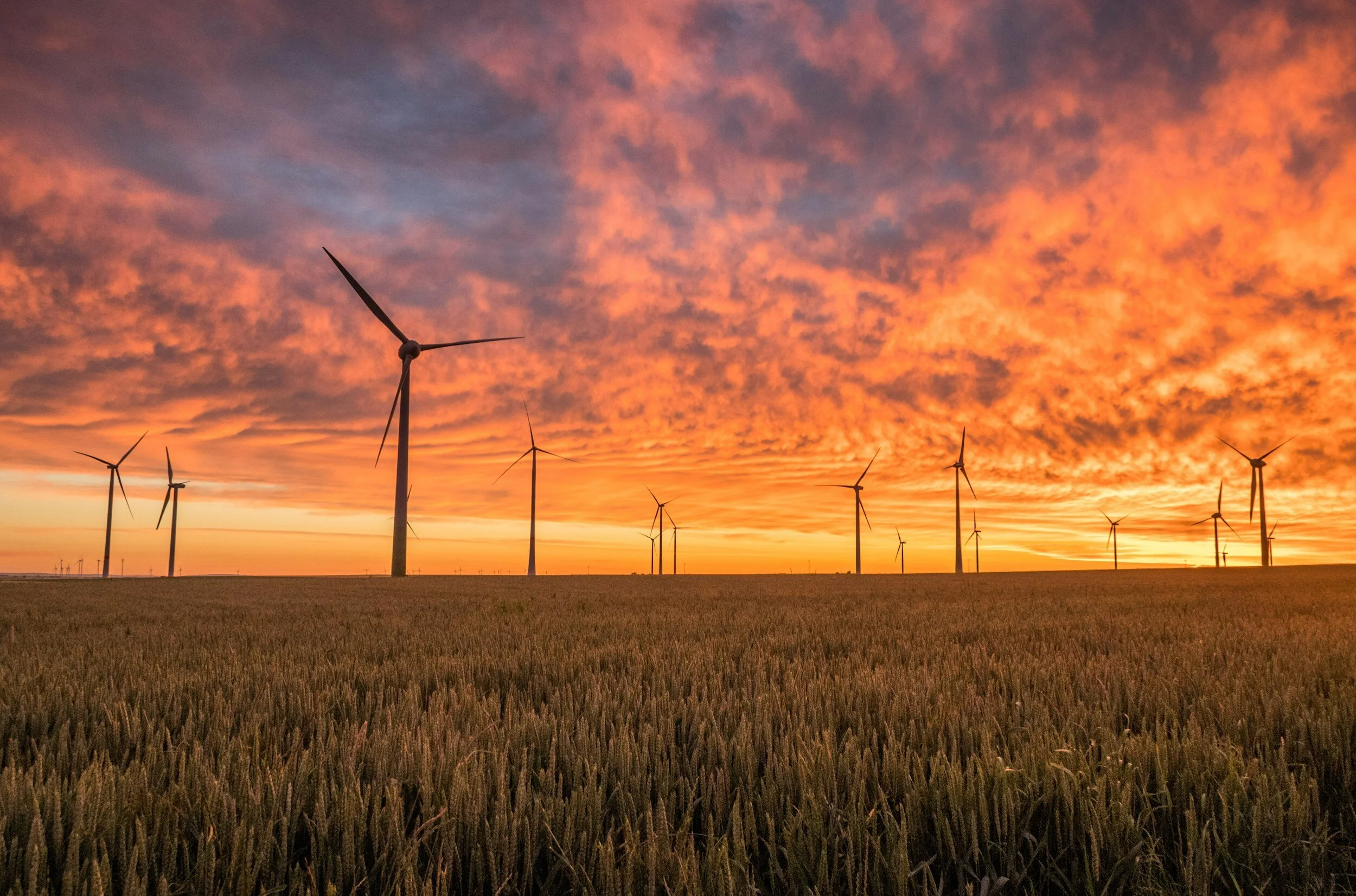
Mitigate greenhouse gases
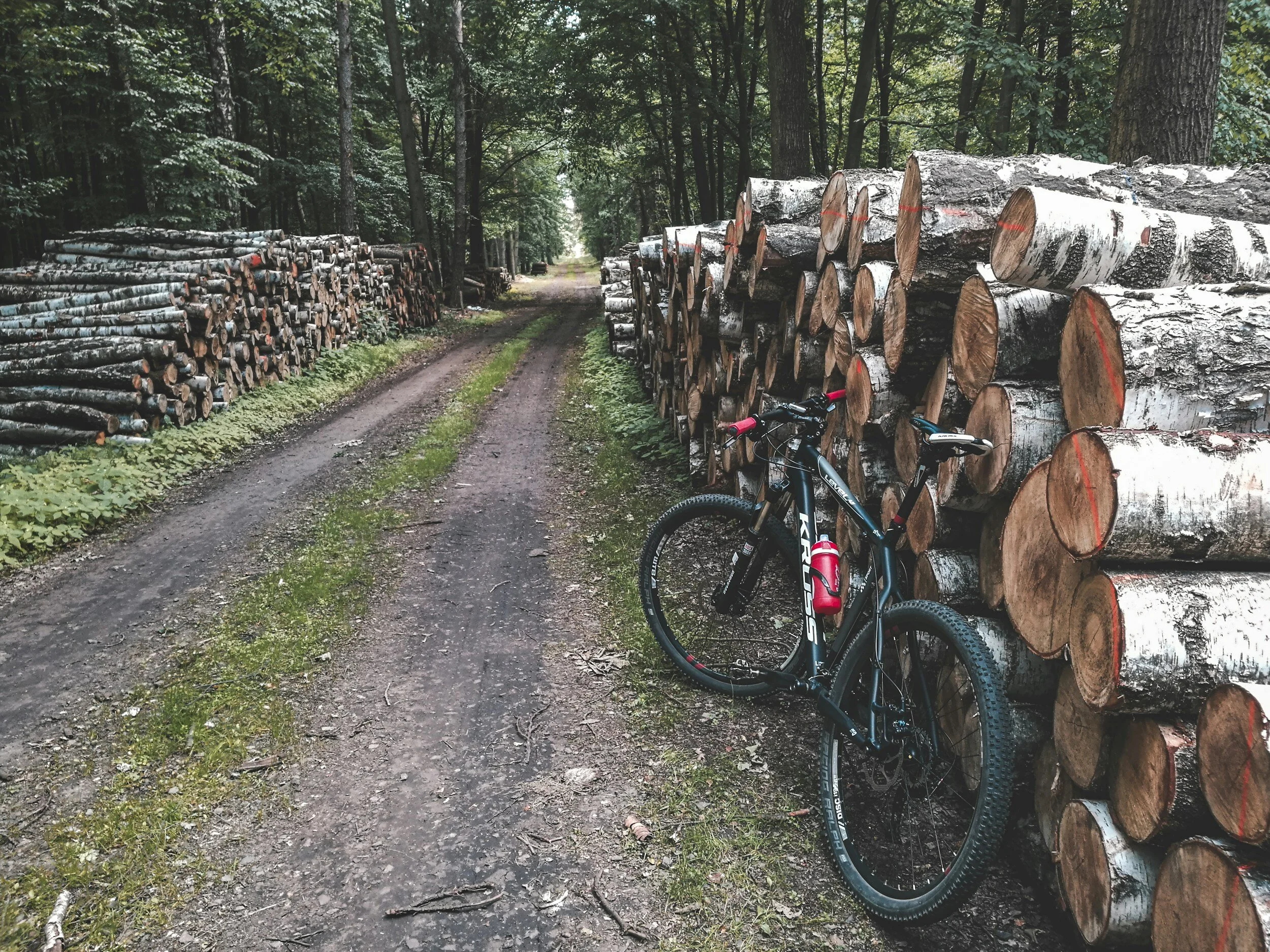
Support cooperatives
Latest from the Blog
Latest Podcast Episodes
World Habitat Day reminds us that people need places to live. Nature needs space too. The challenge is not choosing between them, but designing connected landscapes that can support human communities, biodiversity, and climate action together.